



Most information online says that Panama has two seasons: Dry and Rainy (also called brown/green or high/low season). That’s technically true—but it doesn’t tell the full story.
I’d like to expand on that, introduce what I consider a third season, and help you better understand what “rainy season” really means here in Panama.
The Dry Season (Late December – April)
Let’s start with the Dry Season, which I typically define as the period between Christmas and Easter—our peak tourist season.
Most people agree: it’s hot, sunny, and very dry. Landscapes turn brown, skies are clear, and rain is minimal.
Now, I could say “no rain,” but that wouldn’t be entirely accurate. Occasionally, unusual weather patterns—like cold fronts pushing into places like Texas—can influence the region and bring a bit of unexpected rain to Panama.
But overall, yes—this is the driest and most predictable time of year.
Clearing Up a Common Misconception
Here’s where things get misunderstood.
People often read: “90% chance of rain every day” and immediately assume their vacation will be ruined.
Let me put that into perspective.
I could say, “It rains every day in Europe or South America.” Would you cancel a trip based on that? Of course not—because you know it depends on where, when, and how much it rains.
The same logic applies to Panama.
For example, I live in what’s known as the “Dry Arch.” Do you think it rains here as much as it does in the rainforest? Probably not.
Yet online forecasts don’t always make that distinction. They often paint the entire country with the same brush—and that’s where confusion starts.
The “Green Season” (May – August)
This is what I consider Panama’s unofficial third season—and honestly, it’s my favorite time of year.
After the first rains arrive in May, something amazing happens. Within a few weeks, everything comes back to life:
- Trees fill with leaves
- Grass turns lush and green
- Waterfalls start flowing again
- Clouds roll in during the afternoons creating cooler climates
And here’s the key point: it usually doesn’t rain all day.
Think of it like “Florida weather.” You might see clouds build in the afternoon, get a quick shower for an hour, and then it clears up like nothing ever happened. The ‘3rd season’ between Dry & Rainy is a great time to visit Panama. For some reason, our neighbors to the west (Costa Rica) don’t experience such a severe decline in tourist #’s, although the weather is the same—better marketing I guess!
The True Rainy Season (September – Mid-December)
Now we get to the wettest part of the year.
From September through mid-December, rainfall becomes more frequent and more consistent. While hurricanes head toward Florida/Mexico, we get the spin-off from those storms. Yet, people still go to Disney World during hurricane season! In Panama, we don’t have hurricanes but we might get a day of rain, and those dark clouds that dump rain for an hour are a bit more frequent. Rain doesn’t stop the party in Panama, though. November might be the rainiest month, but it is a month full of celebrations. *Read about it here: https://barefootpanama.com/independence-month/
Rain Doesn’t Have To Stop Travel
Let’s zoom out for a second.
It rains a lot in Ireland—millions still visit every year
The Pacific Northwest in the U.S. is home to a temperate rainforest, the Hoh, located on the Olympic Peninsula in Washington state (140-170 inches of rain/year), whereas we have the Gamboa ”RAINFOREST” that isn’t even really a rainforest! Scientifically, it is classified as a tropical moist forest (80-120 inches). Oh, and if you read that Panama City is the only capital city with a rainforest inside its perimeter, that simply isn’t true… sorry. Parque Natural Metropolitano is scientifically defined as a tropical dry forest.
Why the Confusion? Because in everyday language:
- Tour companies say “rainforest” because it sounds exciting
- Visitors expect “jungle” to mean “rainforest.”
“Rainforest” is often used as a marketing term, while “tropical moist forest” & ”tropical dry forest” are the accurate scientific labels. Want rainforest, think Darien Province of Panama.
The north coast of Panama gets a bit more rain than the south side… but maybe you have heard of THE CARIBBEAN! Yeah, pretty famous and a little rain doesnt stop the millions of people from visiting. Panama has about 500 islands considered part of the Caribbean, including the popular San Blas Islands (Guna Yala) and the Bocas del Toro Archipelago.
Another famous location (in Panama) is Boquete. Similar tropical, lush highland destinations—sharing high humidity and consistent rainfall—include places in Costa Rica, Cairns (Australia), and Hawaii. Yet none of these places struggle with the same “rain fear” that Panama does.
That’s partly a marketing issue—and partly a misunderstanding of tropical rain.
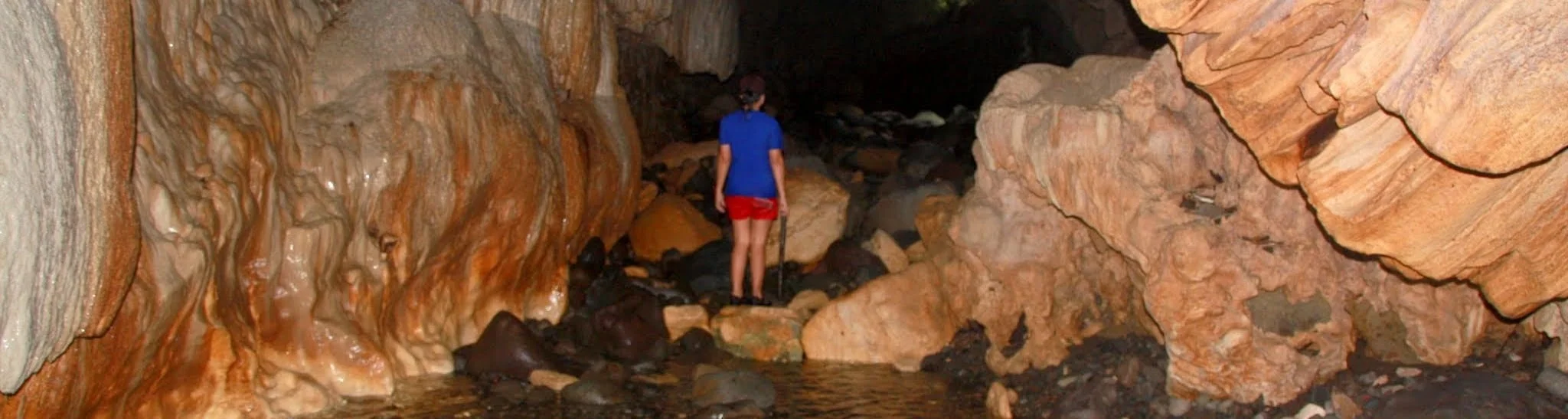
Most people base themselves in Panama City for their first visit to Panama, and BarefootPanama offers about 14 different day tours from here. We won’t send you into a cave, but all the rest are safe. Since we start in the morning, most finish before the rain comes in the afternoon.. If not, take a little time to enjoy a beverage, shop for your Panama Hat, or enjoy some tasty treats.
So… When Should You Visit?
Short answer: anytime.
There really isn’t a bad time to visit Panama—it just depends on what you’re looking for.
Want guaranteed sunshine and peak energy? → Dry Season
Want fewer crowds, greener landscapes, and great value? → Green Season
Don’t mind some extra rain and want cultural experiences? → Rainy Season
Contact us for more info: https://barefootpanama.com/contact-us/ & remember: You can’t have rainbows without rain!
Final Thought
This blog post was inspired by a client who canceled her trip because she saw “rain every day” in the forecast.
I tried to explain—but it was too late.
Hopefully, this helps you make a more informed decision.
Because the truth is:
Panama is incredible year-round.
And if you ask me? The Green Season might just be the best-kept secret.
Bonus Quotes
“Some people feel the rain. Others just get wet.” — Bob Marley
“Toughen up, buttercup.” — Every coach ever
“You are not made of sugar.” — My Mom